Project Overview
This case study explores how we transformed a growing content brand into an AI-Ready SEO powerhouse. The goal was to optimize for Google Search, AI search engines, and future algorithm updates while maintaining brand authority.
The SEO Challenge

The website had strong content but lacked structured data, internal linking depth, and Core Web Vitals optimization. Rankings were unstable due to algorithm shifts and increased AI-generated competition.
AI-Ready SEO Strategy

We built a semantic SEO framework optimized for AI search systems. Content was restructured into topical authority clusters. Schema markup was expanded to support rich results and AI extraction.
- Entity-based optimization
- AI-readable content structure
- Enhanced E-E-A-T signals
- Internal link graph optimization
Technical Implementation

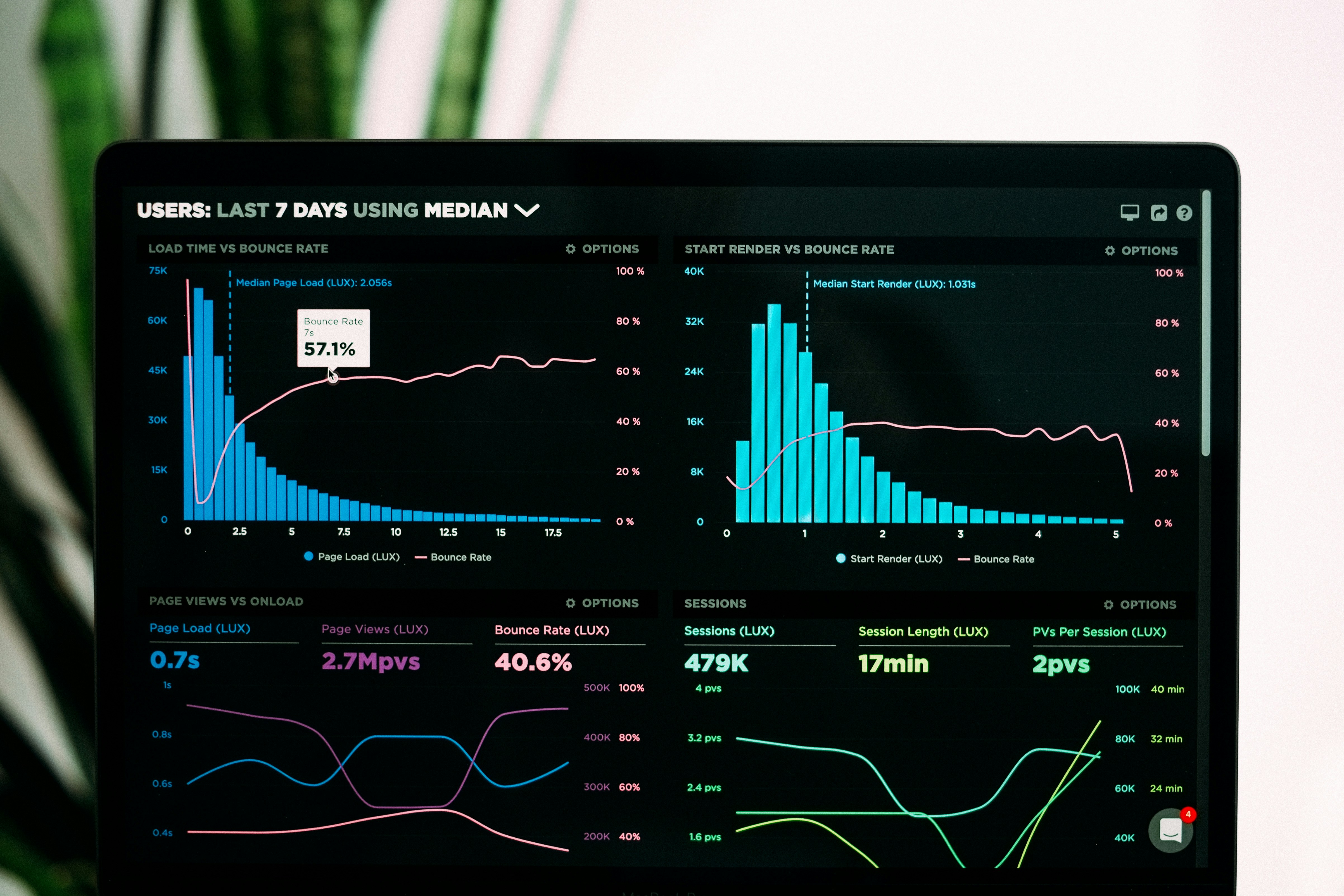
Core Web Vitals were optimized through server-level caching, image compression, and lazy loading. Structured data was implemented using JSON-LD. Crawl depth reduced by 32%.
Results & Growth Metrics

Within 6 months, organic traffic increased by 142%. Featured snippets doubled. AI search visibility significantly improved across informational queries.
- +142% Organic Traffic
- +89% Keyword Visibility
- +120% Engagement Rate
Future Optimization Roadmap

The next phase focuses on predictive SEO modeling, AI content summarization compatibility, and preparing for Google's next core updates.